How to spot a rip current: 5 visual clues from the shore
 Save
A rip current is a powerful, narrow channel of water moving away from the beach, and knowing what to look for before you step in can save your life. Most rip currents are visible from the shore once you know the signs. This guide from Beach Lifeguards shows you exactly what to watch for, where rip currents form and what to do if you spot one.
Channels of calmer, darker water
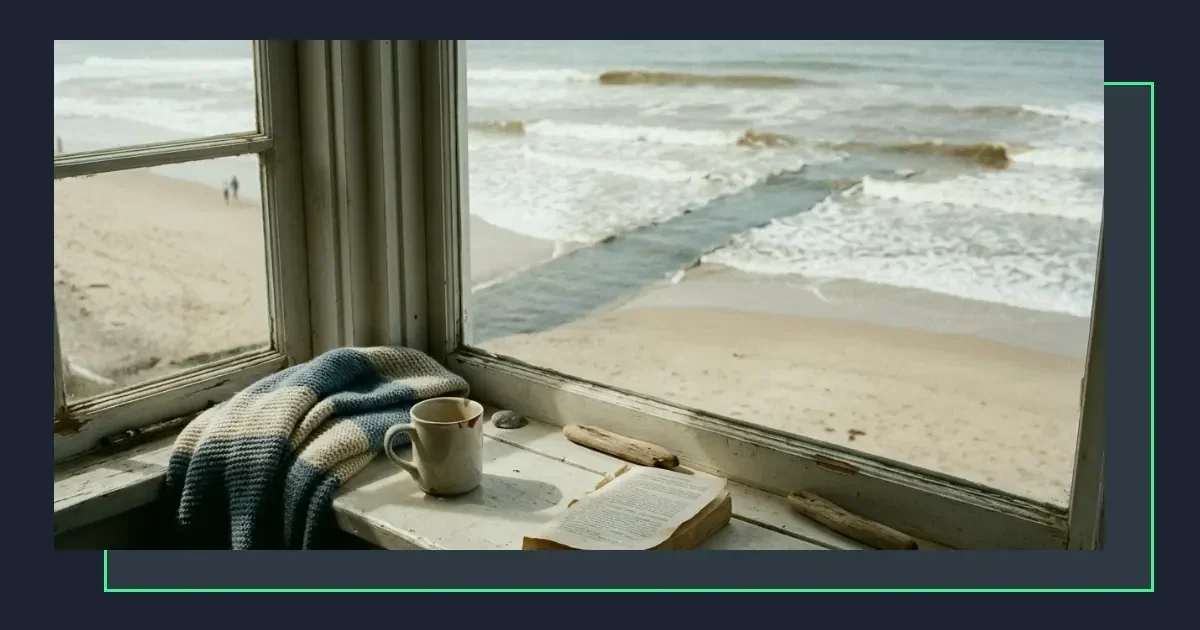
The most telling sign of a rip current is a section of water that looks noticeably different from the surf around it. Where waves are breaking white on either side, a rip often appears as a darker, smoother lane cutting through the breakers. The water looks calmer because the outward flow flattens the surface and prevents waves from forming properly.
This darker patch may be brown or murky if the rip is pulling sand and debris from the seabed. Stand at the water's edge and scan the surf zone—any distinct channel where the wave pattern breaks down deserves a second look.
Gaps in the breaking waves
Rip currents carve routes through the sandbanks where waves normally break. You will see waves rolling in and collapsing into white water on both sides, then a gap where hardly any waves break at all. The rip flows through that gap, and the lack of breakers makes it look deceptively inviting to tired swimmers.
These gaps are often the widest and most obvious feature when you survey the beach from a high point—dunes, a promenade wall or even standing on a lifeguard tower if one is accessible. The pattern of breaking surf is rarely uniform, so a single clear lane stands out.
Debris, foam or seaweed moving seaward
Watch the surface for anything floating. If you see foam, seaweed, driftwood or litter travelling steadily away from the beach while the waves around it are coming in, you are looking at a rip current in action. The debris traces the flow, and its speed tells you how strong the current is.
This sign is easier to spot on a bright day when the water is clear. Even a small piece of seaweed bobbing out to sea against the incoming swell confirms the presence of a rip. If the object moves quickly and does not return with the next wave, the current is strong.
Differences in water colour
A rip current often carries sand, silt and organic material from the beach, which changes the colour of the water. You may see a brown or murky stripe running perpendicular to the shore, contrasting with the clearer blue or green water on either side. In some cases the rip looks lighter because it is deeper—sand has been scoured away, exposing a pale bottom.
Colour differences are clearest when the sun is high and the water is relatively calm. Overcast days or choppy conditions make this sign harder to read, so combine it with the others on this list rather than relying on colour alone.
A break in the wave pattern from above
If you have the chance to observe the beach from a clifftop, pier or elevated promenade, take it. From height, rip currents reveal themselves as distinct lines where the wave crests do not form or where foam moves in the wrong direction. The bird's-eye view makes the circulation pattern obvious: waves pushing in on either side, a channel flowing out in the middle.
Lifeguards use this vantage point to monitor multiple rips at once and to direct swimmers away from them. If you are planning a swim and there is a raised viewpoint nearby, spend a few minutes watching the water before you go in.
Where rip currents form
Rip currents develop where the shape of the seabed or shoreline disrupts the normal flow of water. They are common near groins, jetties and piers, where structures interrupt the waves and create channels. Breaks in sandbars also concentrate the returning water into narrow jets.
Some beaches have permanent rip currents in the same locations day after day because the underwater topography does not change. Others shift with the tides and the weather. A beach that was safe yesterday may have a rip today after a storm has reshaped the sandbanks.
Understanding the context helps you interpret what you see. A beach with a long, straight sandbar offshore will push water over the bar, and that water has to return somewhere—usually through a few well-defined rips. A beach with irregular sandbars may have rips scattered unpredictably.
Recognising permanent features
Fixed structures such as piers, breakwaters and headlands create predictable rip zones. Water piles up against the structure, then flows along it and out to sea. If you are familiar with a beach, note where these features are and give them a wide berth. If you are visiting for the first time, look for warning signs and ask the lifeguards.
What to do when you spot a rip current
Once you have identified a rip, your first decision is simple: do not swim there. Enter the water well away from the channel, and keep an eye on it while you are in the surf. Rip currents can pull even strong swimmers offshore, and fighting the current directly exhausts you quickly.
If you see someone caught in a rip, do not go in after them unless you are trained and the conditions allow it. Shout to attract the attention of a lifeguard, and if none is present, call for help and throw a flotation device if one is within reach. Many drownings occur when untrained rescuers are swept out alongside the person they are trying to save.
Steps to take if caught in a rip
- Stay calm and do not fight the current by swimming directly back to shore.
- Swim parallel to the beach, across the current, until you are out of the narrow channel.
- Once free of the rip, angle back toward the shore with the waves assisting you.
- If you cannot swim out of the current, float or tread water and signal for help by raising one arm.
- Conserve your energy—the rip will not pull you under, and most rips weaken beyond the surf zone.
For more guidance on responding to emergencies at the beach, read our article on jellyfish sting treatment, which covers the immediate steps to take when something goes wrong in the water.
Flags, signage and local knowledge
Lifeguarded beaches mark safe swimming areas with flags, and the space between those flags is chosen to avoid known hazards including rip currents. Red flags mean no swimming; yellow flags mean hazardous conditions and caution required; red-and-yellow flags mark the patrolled zone where lifeguards are actively watching.
If the beach has signage warning of rip currents, take it seriously. The warnings are based on the beach's history and the conditions that prevailed when the sign was posted. Local knowledge counts: ask lifeguards, beach wardens or regular swimmers where the rips are before you go in.
Some councils and lifeboat stations publish online maps showing hazard zones for their beaches. Check these resources if you are planning a day at the coast, especially if you are visiting an unfamiliar area.
Conditions that increase rip activity
Rip currents intensify after storms, during spring tides and when large swells push more water toward the shore. The greater the volume of water moving up the beach, the stronger the return flow through the rip channels.
Wind direction also matters. An onshore wind drives waves harder onto the beach, increasing the volume of water that must flow back out. Offshore winds can mask the visual signs of a rip by flattening the surface, making it harder to spot the telltale calm lane.
If the tide is coming in and the waves are building, rip currents are likely growing stronger. Plan your swim for slack water or the early stages of the tide, and keep your time in the surf short when conditions are rough.
Cold water brings its own risks, and the shock of sudden immersion can impair your ability to swim out of a rip. Our guide to cold water shock explains the body's response and how to prepare before entering chilly seas.
Comparing rip currents, undertows and longshore currents
| Current type | Direction | Where it acts | What it looks like |
|---|---|---|---|
| Rip current | Away from shore | Narrow channel through surf zone | Calm, dark lane; gap in breaking waves |
| Undertow | Seaward pull near seabed | Close to shore after wave breaks | Not visible; felt underfoot as backwash |
| Longshore current | Parallel to beach | Entire surf zone along the coast | Foam and debris drifting sideways |
An undertow is the backward pull of water after a wave breaks and rushes up the beach. It acts close to the seabed and is strongest in the swash zone where waves collapse. You feel it tugging at your legs, but it does not pull you out to sea in the way a rip current does.
A longshore current runs parallel to the shore, caused by waves hitting the beach at an angle. It can carry you sideways along the coast, sometimes into a rip current further down the beach. Watch for debris moving along the shoreline rather than straight out.
Teaching children to recognise rip currents
Children should understand what a rip current looks like before they play in the surf. Point out the visual signs from the shore—the darker water, the gap in the waves—and explain that those areas are not safe for swimming. Make it a habit to scan the water together every time you arrive at the beach.
Teach them never to enter the water outside the flagged area and to stay where you can see them at all times. If they are caught in a current, they need to know to stay calm, float and raise one arm for help rather than panicking and trying to swim against the flow. Rehearse these steps on dry land so the instructions are familiar if the situation arises.
Supervision is the most effective safeguard. An adult should be within arm's reach of children who are not strong swimmers, and even confident swimmers should be watched continuously. Rip currents move fast, and a child can be pulled beyond safe depth in seconds.
This guide is for general information only. Beach Lifeguards is an information site and does not sell any goods or services.
#Rip currents #Waves #Swimming #Lifeguards
Download PDF: Spotting rip currents: a beach safety checklist PDF, 29 KB
Further reading
Frequently asked questions
What does a rip current look like from the beach when you are standing on the sand?
A rip current often appears as a darker, calmer channel of water cutting through the breaking waves. You may see a gap where waves do not break, debris or foam moving seaward, or a murky stripe caused by sand and silt being pulled from the seabed.
Can you see a rip current if the water is choppy and the weather is overcast?
Rip currents are harder to spot in poor visibility and choppy conditions, but you can still look for gaps in the wave pattern and floating debris moving away from shore. An elevated viewpoint helps, and asking a lifeguard is always the safest option when conditions make visual signs unclear.
Do rip currents stay in the same place every day or do they move around?
Some rip currents are permanent because they form near fixed structures such as piers or groins, while others shift with tides, storms and changes in the sandbars. A beach that was safe yesterday may have a rip today, so check the conditions each time you visit.